
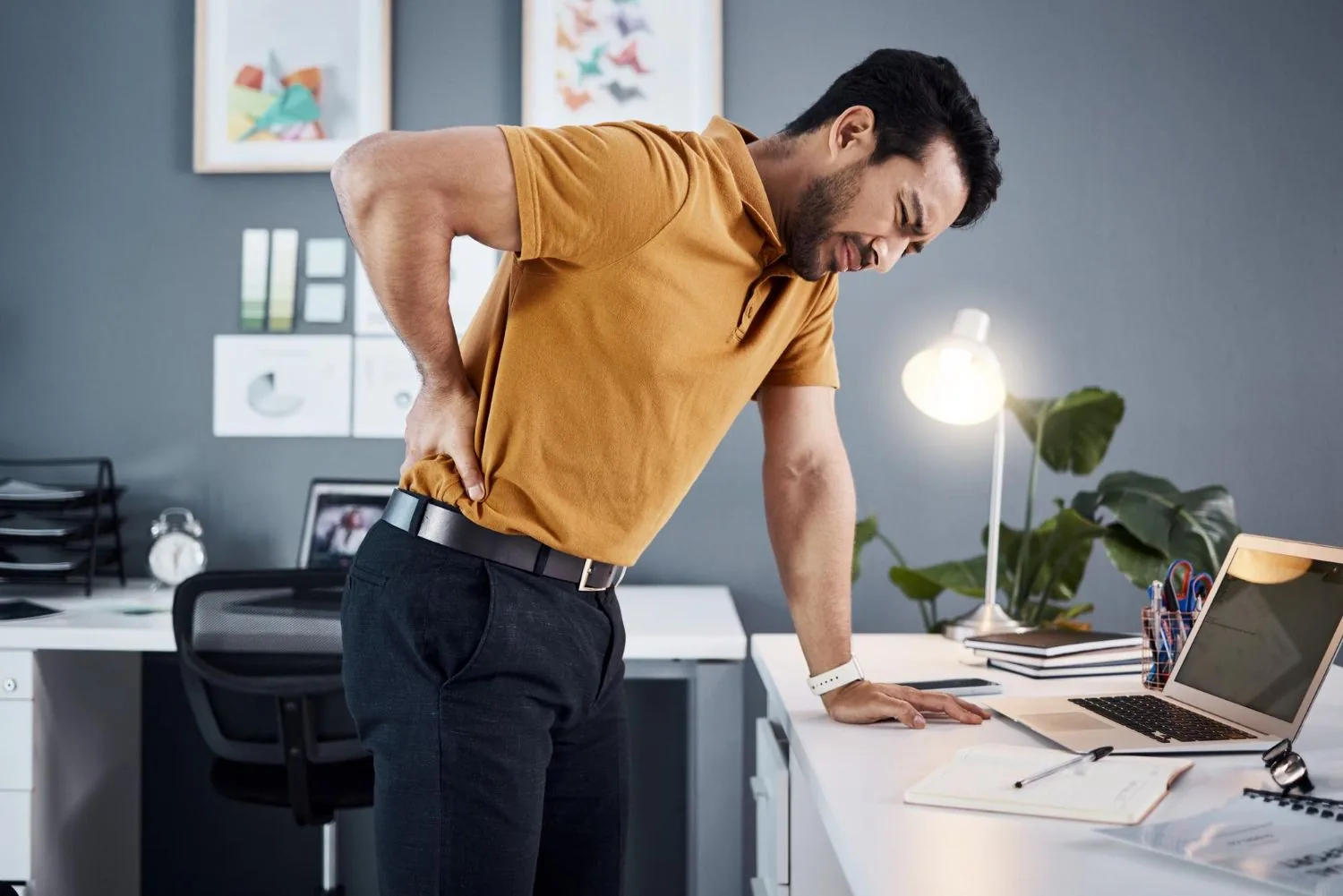
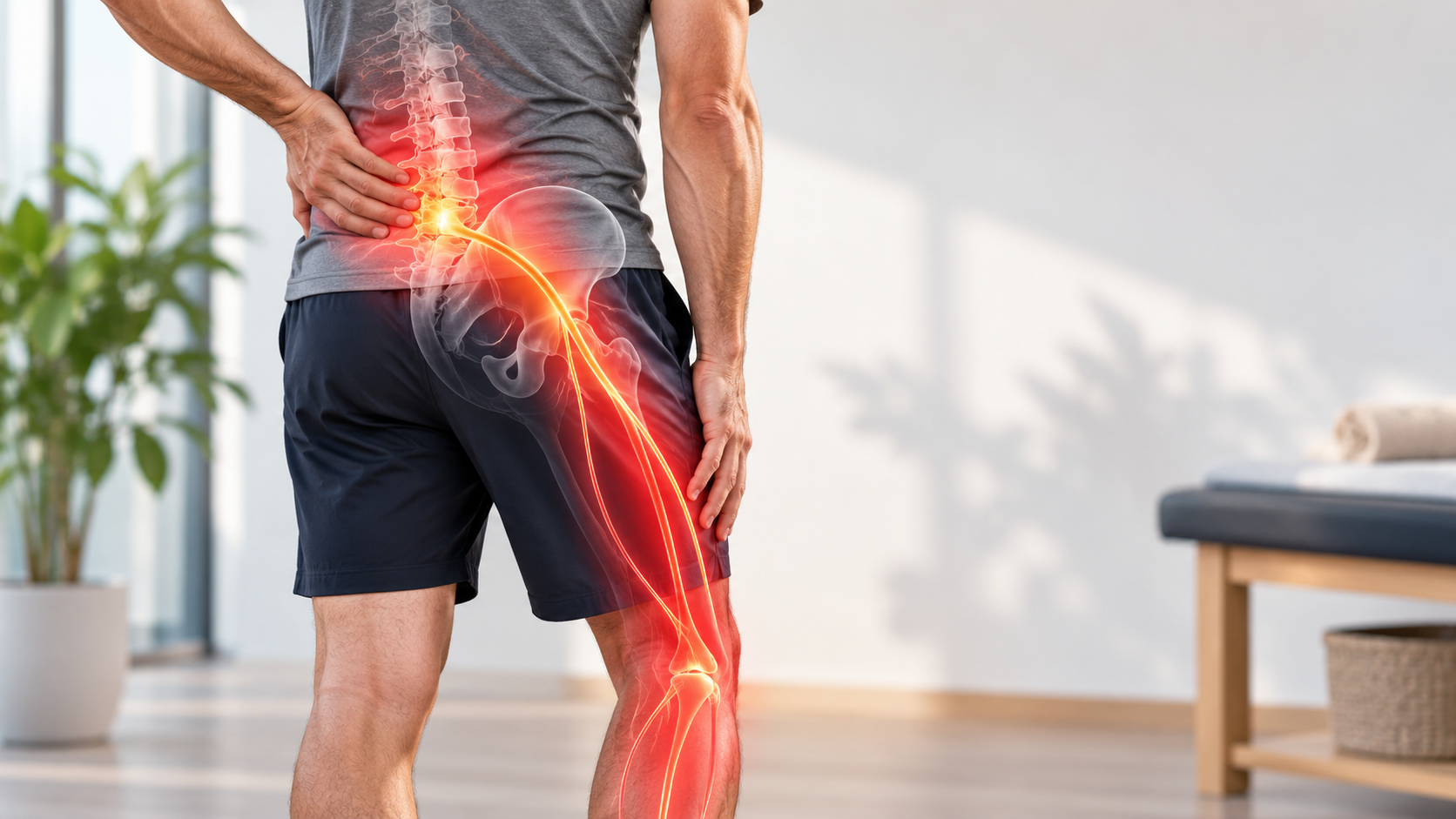
Back pain that travels down your leg: what could it mean?
Back pain is one thing. But when the pain starts travelling from your back into your buttock or leg, it can feel very different and often much more worrying. You may wond...
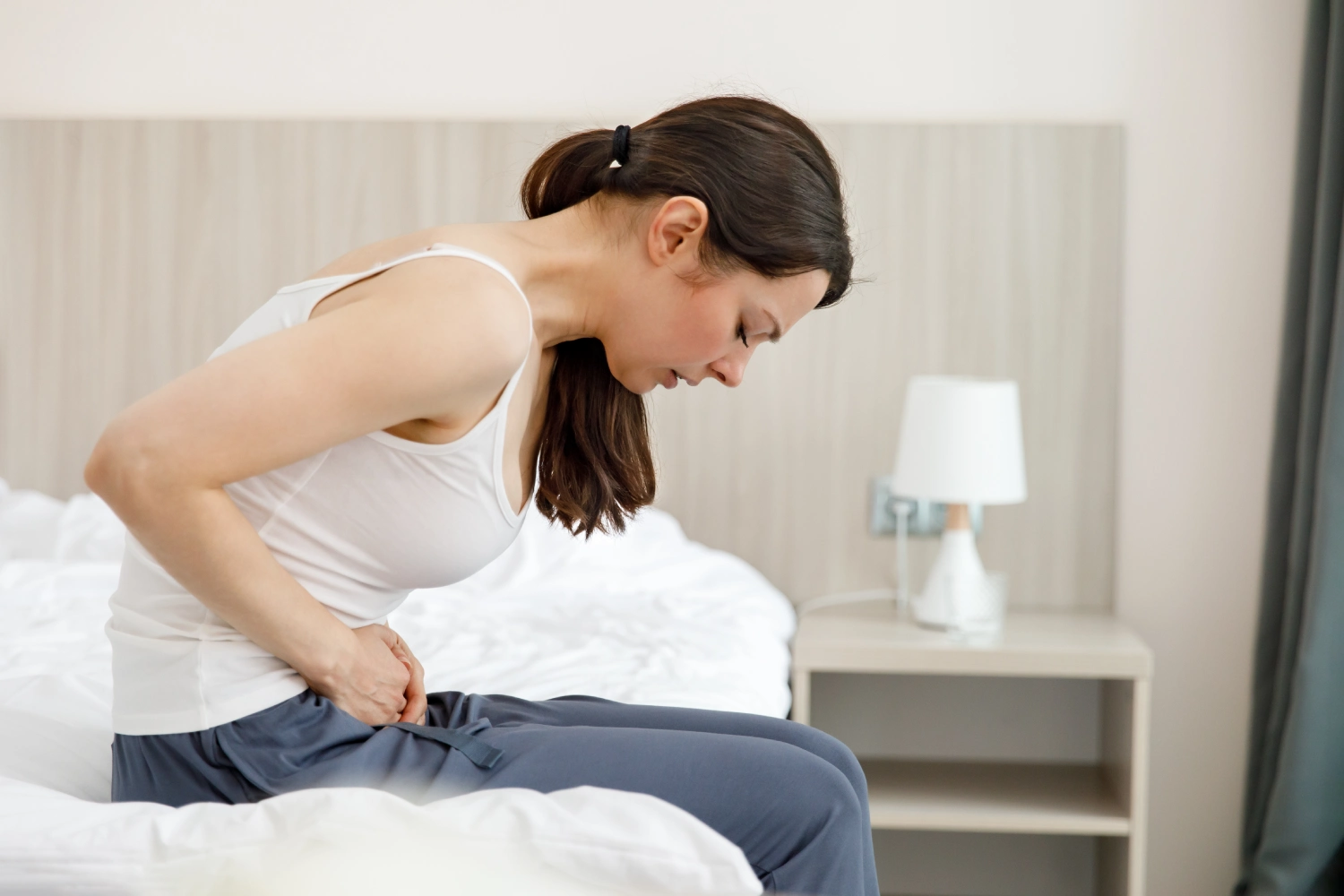
Read NowPelvic pain can affect people at different stages of life and may develop suddenly or gradually. It can be linked to pregnancy, childbirth, pelvic floor dysfunction, hormonal changes, or musculoskeletal conditions.
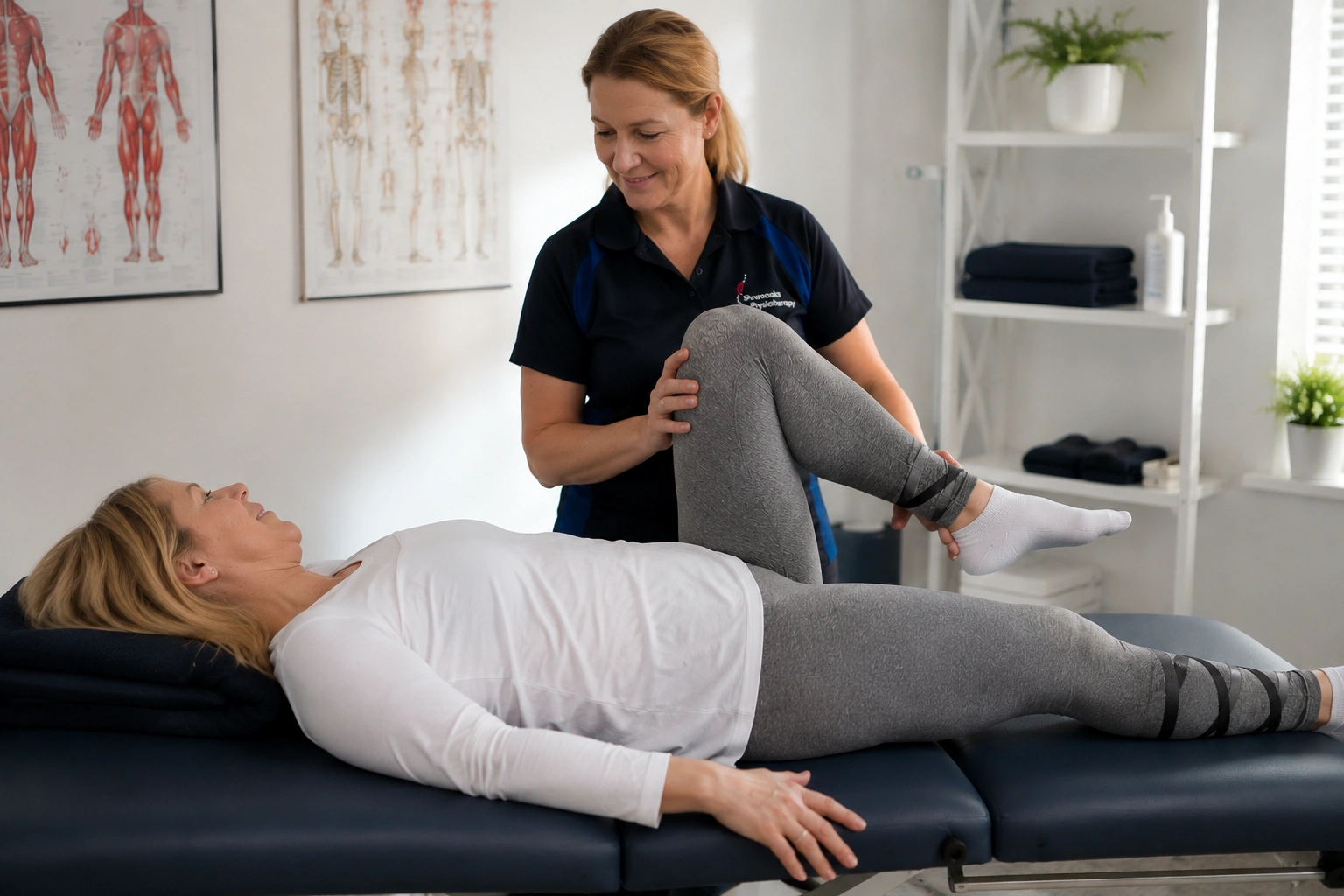
Understanding the underlying cause is the first step towards effective treatment and lasting relief.
Pregnancy-related Pelvic Girdle Pain
Postnatal Pelvic Pain
Pelvic Floor Muscle Dysfunction
Hormonal Changes, Including Menopause
Bladder Or Bowel Dysfunction
Pelvic Joint Instability
Sports Or Repetitive Strain Injuries
Previous Pelvic Surgery Or Injury
Pelvic pain can affect your comfort, mobility, bladder or bowel function, and overall quality of life. Following a detailed assessment, we'll identify the source of your symptoms and recommend the most appropriate treatment for your individual needs.
Pelvic pain physiotherapy focuses on identifying the underlying cause of your symptoms and improving the way your muscles, joints, and pelvic floor work together. Treatment aims to reduce pain, restore movement, improve pelvic health, and help you feel more comfortable during everyday activities.
Reduce Pelvic Pain and Discomfort
Improve Pelvic Floor Muscle Function
Increase Strength and Stability
Support Bladder and Bowel Control
Improve Mobility and Everyday Movement
Aid Recovery During and After Pregnancy
Reduce Recurring Symptoms
Improve Confidence in Daily Activities
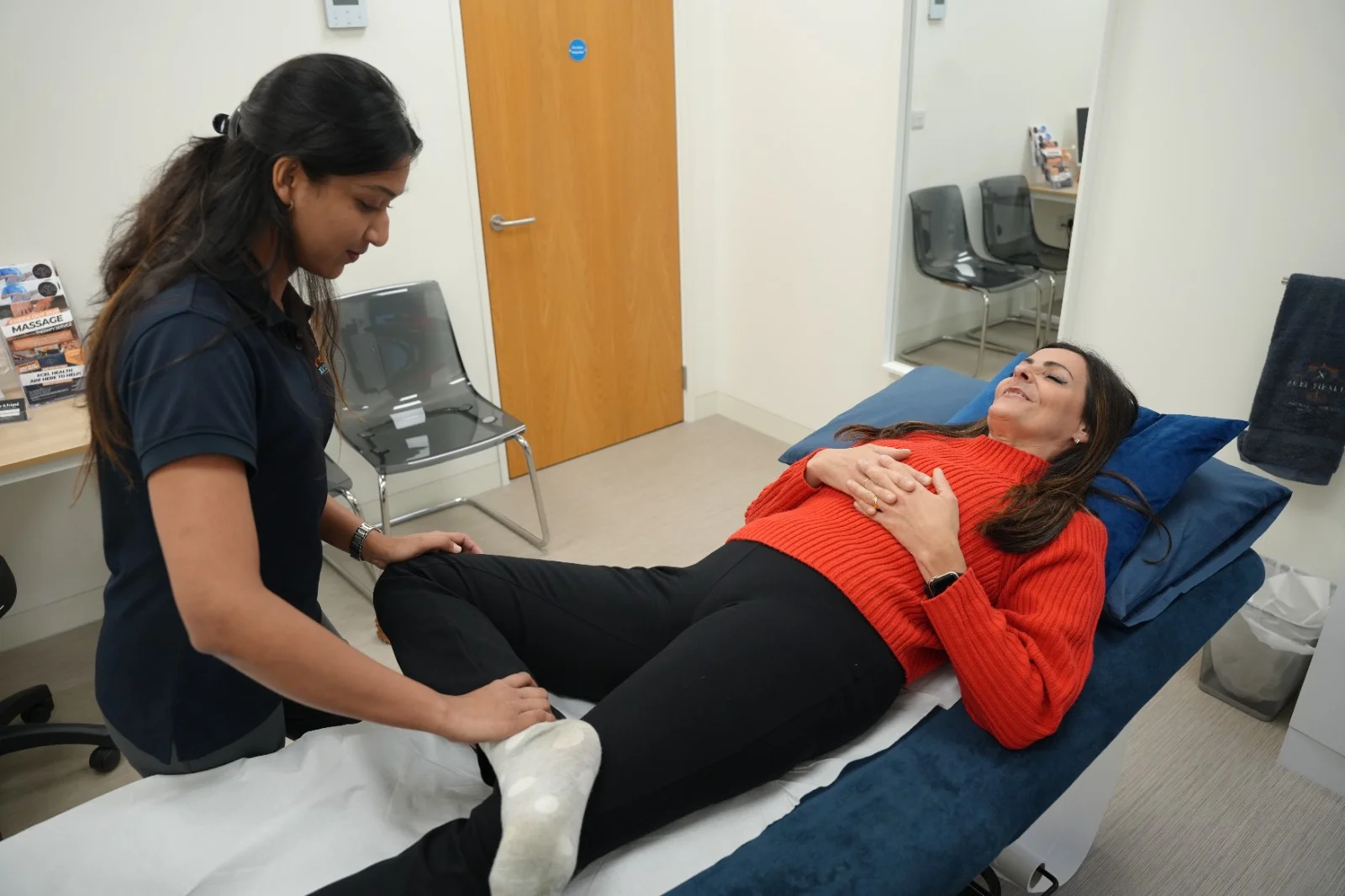
Your first appointment focuses on understanding your symptoms, medical history, and how pelvic pain is affecting your daily life. We'll then create a treatment plan that's tailored to your needs and recovery goals.
A detailed assessment of your symptoms, movement, pelvic health, and medical history.
We'll explain our findings and recommend the most appropriate treatment to support your recovery.
Hands-on treatment, targeted exercises, and practical advice to improve strength, movement, and pelvic floor function.
You'll receive guidance, home exercises, and ongoing support to help manage symptoms and maintain long-term pelvic health.
Pelvic pain can affect your comfort, mobility, and quality of life. If your symptoms persist or begin interfering with everyday activities, an assessment can help identify the cause and guide the most appropriate treatment.
It may be time to book an assessment if:
You're experiencing pelvic pain during or after pregnancy
Walking, standing, or sitting has become uncomfortable
You have bladder or bowel symptoms
Pain is affecting your sleep or daily routine
Your symptoms keep returning
Pain relief only provides temporary relief
You're avoiding exercise or everyday activities because of pain
Our experienced women's health physiotherapists at Manor Clinic Sevenoaks provide specialist assessment and treatment for pelvic pain, pelvic floor dysfunction, pregnancy-related pelvic conditions, postnatal recovery, and other pelvic health concerns.
We'll match you with the physiotherapist best suited to your needs, helping you recover with confidence.
Are you unsure if physiotherapy is right for you? Would you prefer to talk with a physio before making a decision? All you have to do is click the link below to fill out a simple form.
Request a Discovery SessionIf you’re not quite ready to book an appointment yet and have some questions you'd like answered first, click the link below to complete a form to get the conversation started.
Request a Call BackLooking for more advice? Explore our latest articles on pelvic health, pregnancy-related pelvic pain, pelvic floor dysfunction, postnatal recovery, and women's health physiotherapy.
Back pain is one thing. But when the pain starts travelling from your back into your buttock or leg, it can feel very different and often much more worrying. You may wond...
Read NowHypermobility describes joints that move beyond the normal range. While many people are simply “flexible” without experiencing problems, others may struggle with pain...
Read NowHave you ever noticed that pain feels worse when you’re stressed, anxious, or emotionally overwhelmed? It’s not in your head, it’s in your nervous system. Physical ...
Read Now