Manor Clinic uses cookies to ensure that you get the best experience from our website.
To read more please see our privacy policies and cookie policy.

Vestibular Physiotherapy

What is vestibular physiotherapy?

Vestibular physiotherapy is a specialist form of physiotherapy for people experiencing dizziness, vertigo and balance problems linked to the body's balance system.

The vestibular system is located in the inner ear and works with your eyes and brain to help you stay balanced, understand movement and know where your body is in space.

When this system is affected, everyday movements can sometimes feel unfamiliar, uncomfortable or difficult to manage. Vestibular rehabilitation uses specific exercises and techniques to help your body adapt and improve how you respond to movement.

Vestibular Physiotherapy - Sevenoaks Physiotherapy

How might a vestibular problem feel?

Vestibular problems can feel different from person to person. You may experience only some of these symptoms, and their cause can vary.

You may notice

iconA spinning or moving sensation
iconFeeling dizzy or light-headed
iconFeeling unsteady when walking
iconSymptoms when turning your head or changing position
iconDifficulty walking in busy or visually stimulating places
iconFeeling uncomfortable with certain movements
iconProblems maintaining your balance
iconReduced confidence when moving around

What can cause vestibular problems?

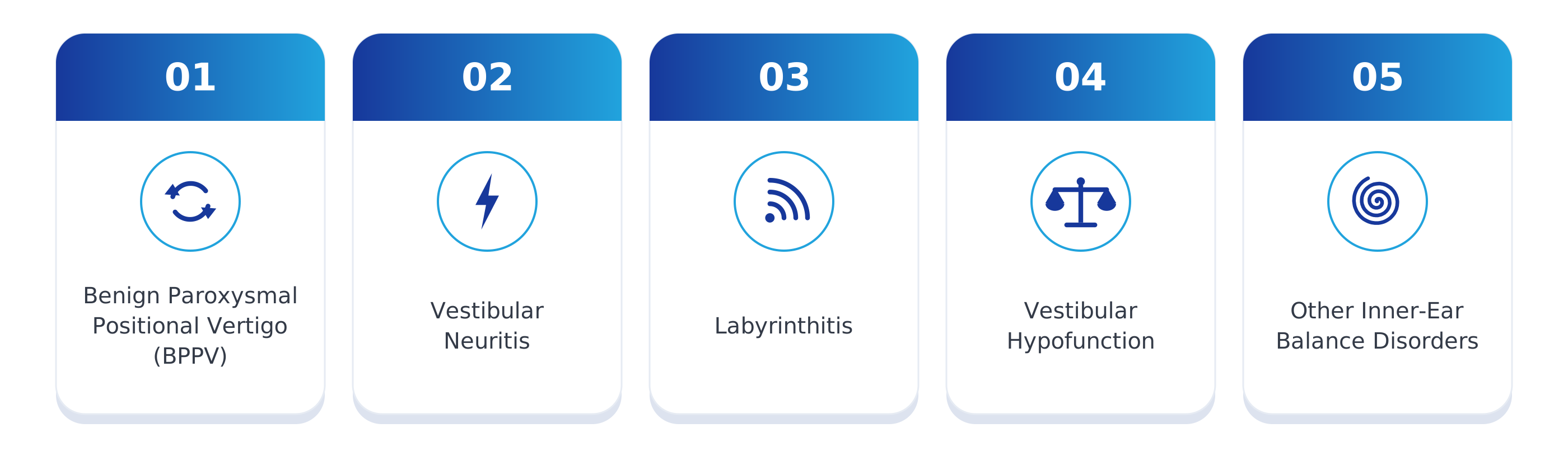
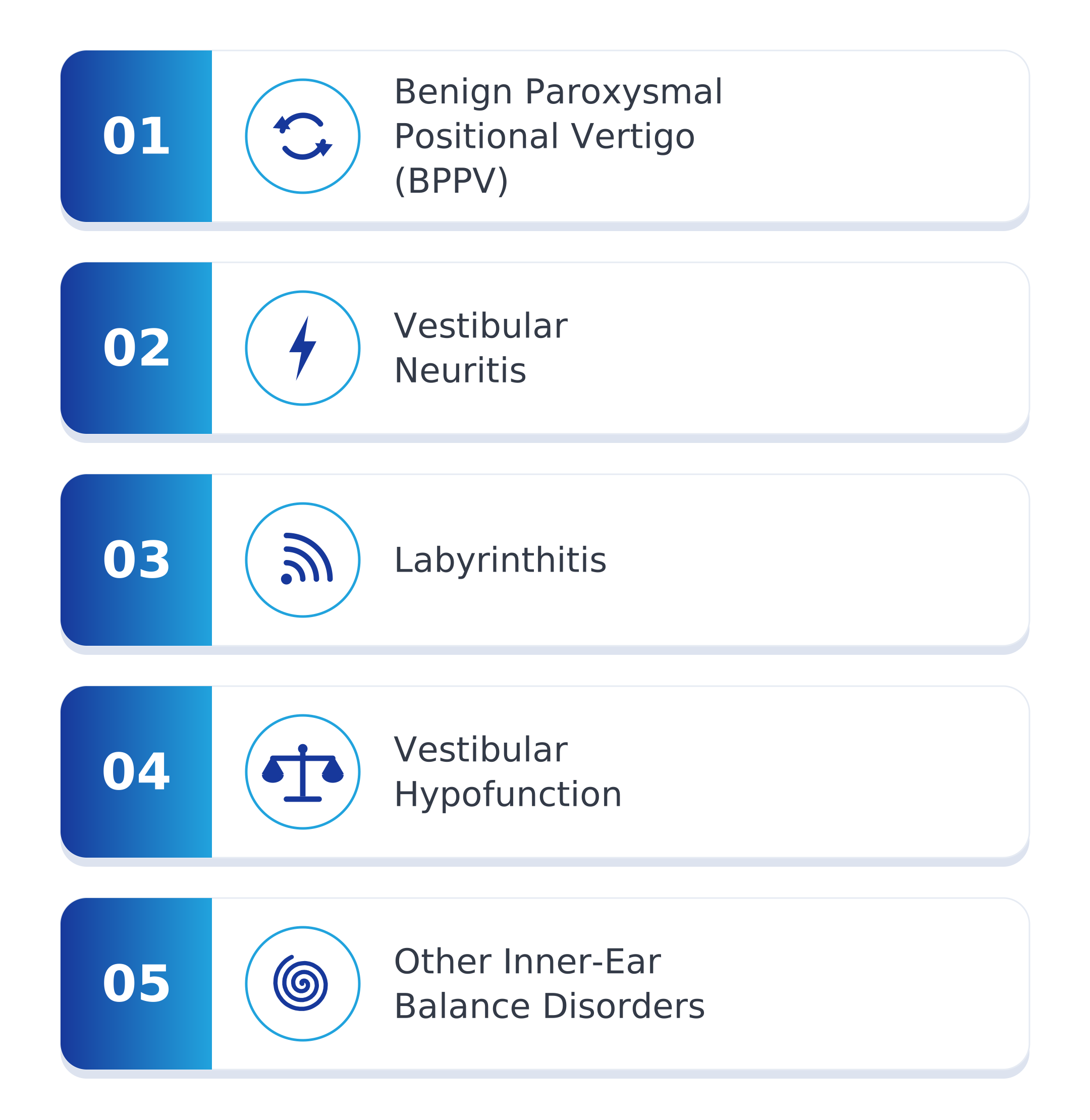
Vestibular dysfunction can develop for several reasons. Conditions commonly associated with vestibular symptoms include:

Vestibular Physiotherapy - Sevenoaks Physiotherapy Vestibular Physiotherapy - Sevenoaks Physiotherapy

A vestibular assessment can help identify the pattern of your symptoms and determine whether physiotherapy may be appropriate.

How can vestibular physiotherapy help?

Vestibular rehabilitation aims to help your inner ear, eyes and brain work together more effectively when you move. The focus is on improving your ability to manage everyday movement rather than simply completing exercises.

Depending on your assessment, treatment may help you:

Manage dizziness triggered by movement

Improve balance and stability

Feel more comfortable with head movement

Walk more confidently

Reduce movement sensitivity

Return to activities that have become difficult

What does treatment involve?

Your treatment will depend on your symptoms and the underlying vestibular problem. Your exercises can be adjusted as your symptoms and abilities change.

Balance training

Exercises that gradually challenge your stability while standing and moving

Gaze & head movement exercises

Activities that improve how your eyes and balance system respond to movement

Movement-based rehabilitation

Gradually practising movements or activities that currently bring on symptoms

Positional treatment

Specific techniques may be appropriate for conditions such as BPPV

Walking & functional exercises

Working on movements such as turning, changing direction and navigating everyday environments

Your vestibular assessment

Your first appointment begins with understanding what you experience, when it happens and how it affects your everyday life. Your physiotherapist may assess:

  • Balance and walking
  • Eye and head movements
  • Positional changes
  • Your response to movement
  • Factors that bring on or worsen symptoms

Your findings will be explained clearly, and you'll be advised whether vestibular physiotherapy is suitable for you.

When should you consider vestibular physiotherapy?

An assessment may be helpful if dizziness, vertigo or balance difficulties are affecting your normal activities. You may have started to:

Check Icon Avoid particular movements
Check Icon Feel less secure on stairs
Check Icon Hold onto furniture when walking
Check Icon Avoid busy environments
Check Icon Reduce exercise or activities you enjoy
Check Icon Feel increasingly cautious about moving around

If dizziness is new, severe or unexplained, appropriate medical assessment should also be sought.

Understand your symptoms. Move with more confidence.

If dizziness, vertigo or balance difficulties are affecting the way you move, a vestibular assessment can help you understand what may be contributing to your symptoms and whether physiotherapy could help.

Request a free discovery session

Are you unsure if physiotherapy is right for you? Would you prefer to talk with a physio before making a decision? All you have to do is click the link below to fill out a simple form.

Request a discovery session
Book a vestibular physiotherapy assessment

If you're ready to get started, click the link below to book your vestibular physiotherapy assessment in Sevenoaks today.

Book your assessment

Meet the team supporting your recovery

Our experienced physiotherapists provide compassionate, evidence-informed care for people living with dizziness, vertigo and balance problems. Every treatment plan is designed to help you move with more confidence.

Meet the Vestibular Physiotherapy Team - Sevenoaks Physiotherapy

Frequently Asked Questions

No. It can also be used for dizziness, balance difficulties, movement sensitivity and other problems associated with vestibular dysfunction.

Yes. BPPV may respond to specific assessment and repositioning techniques where clinically appropriate.

Yes. Changes in the vestibular system can make walking, turning or moving through visually busy environments feel less stable.

You may be given specific exercises to continue between appointments, depending on your assessment and rehabilitation plan.

There is no fixed treatment period. It depends on the cause of your symptoms, their severity and how you respond to rehabilitation.

Learn more about balance and dizziness

Looking for more advice? Explore our latest articles on managing dizziness, improving balance, and understanding vestibular conditions.