Manor Clinic uses cookies to ensure that you get the best experience from our website.
To read more please see our privacy policies and cookie policy.

Scoliosis Physiotherapy

What is scoliosis?

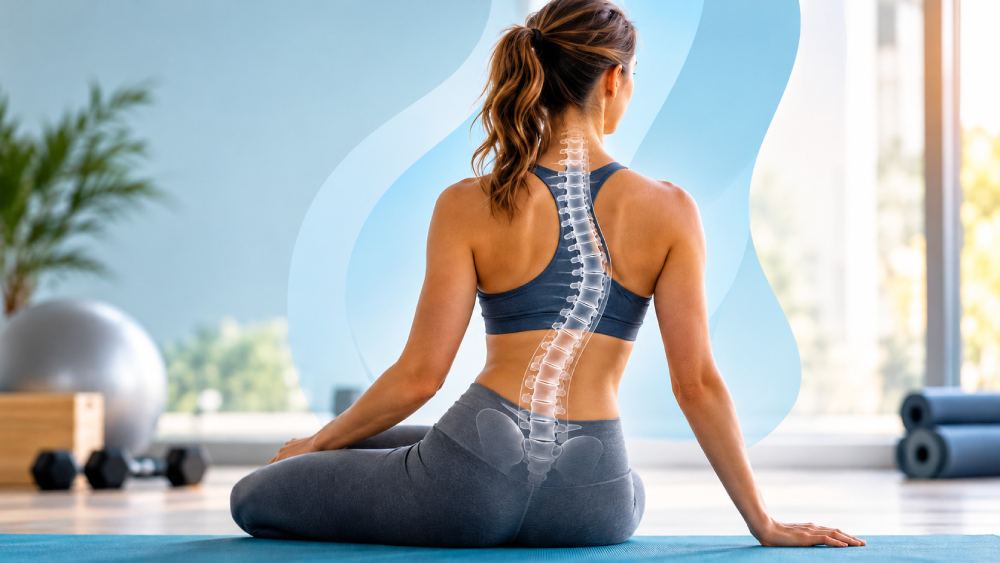
Scoliosis is a condition where the spine curves and rotates, affecting posture, balance and movement. It can develop during childhood, adolescence or later in life.

At a glance

Check Icon Affects the spine's natural alignment
Check Icon Can occur in children, teenagers and adults
Check Icon May cause pain, stiffness or reduced mobility
Check Icon Early assessment can help support long-term spinal health
Best Clinic

Symptoms

Scoliosis affects everyone differently. If you notice any of the following symptoms, a specialist assessment
can help identify the most appropriate treatment approach.

Uneven shoulders or hips

One shoulder blade appearing more prominent

A visible curve in the spine

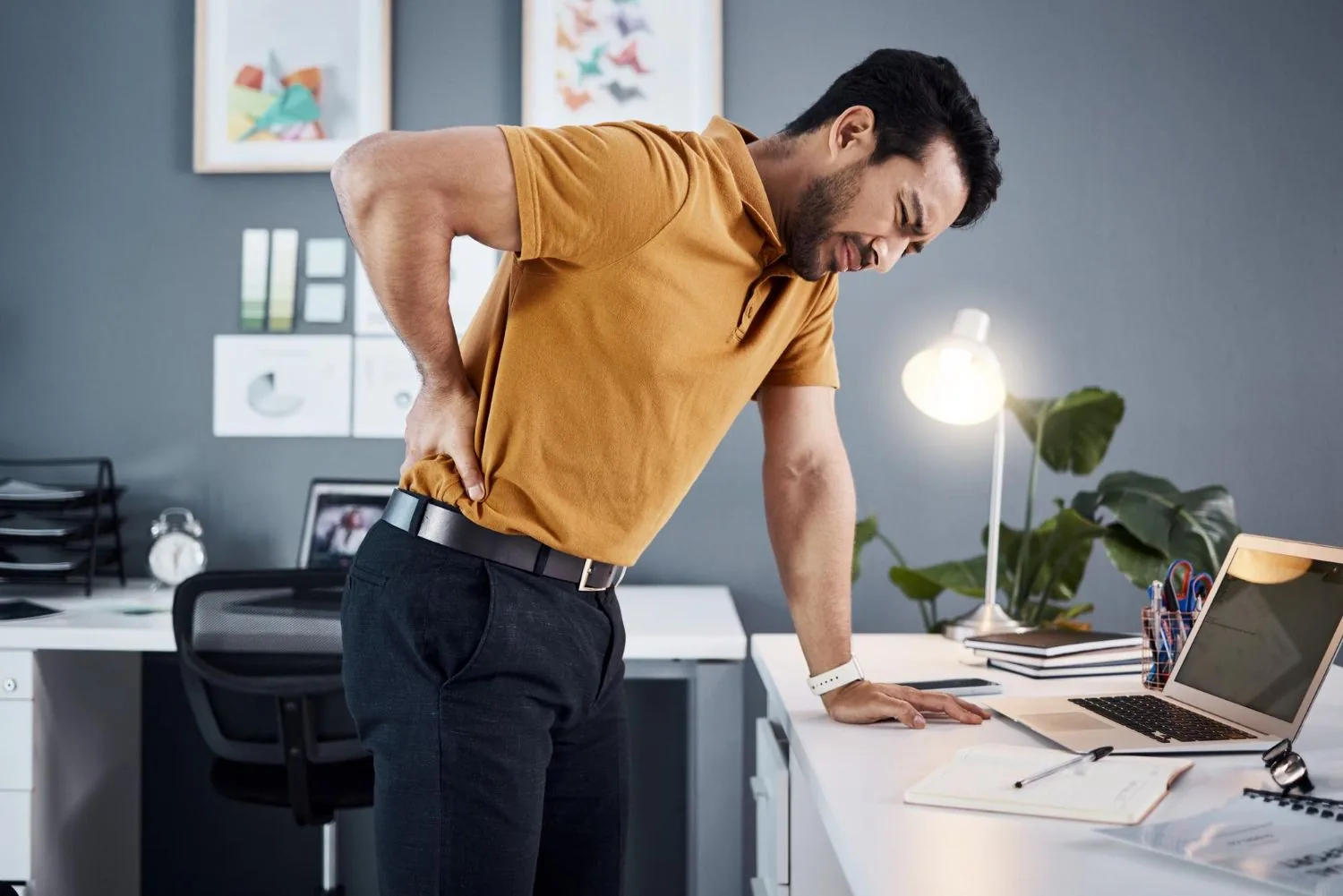
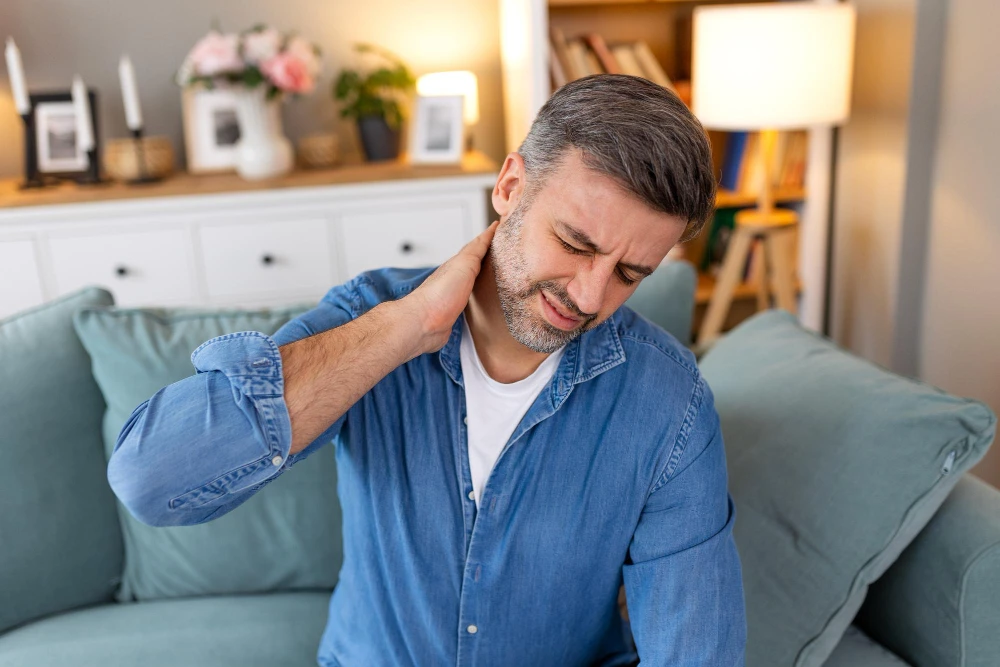
Back, neck or shoulder pain

Muscle tightness and fatigue

Poor posture or imbalance

Reduced flexibility or mobility

Difficulty standing or walking comfortably

What does
treatment look like?

Your treatment journey

Every spine is different, which is why every treatment plan is personalised. Our goal is to reduce pain, improve posture and help you move with confidence.

Step- 1

Assessment & consultation

  • Check IconComprehensive posture and movement assessment
  • Check IconUnderstand your symptoms and goals
  • Check IconCreate a personalised treatment plan
Step- 2

Further investigation

  • Check IconX-rays or specialist referrals if required
  • Check IconBetter understand your spinal alignment
  • Check IconSupport the most effective treatment approach
Step- 3

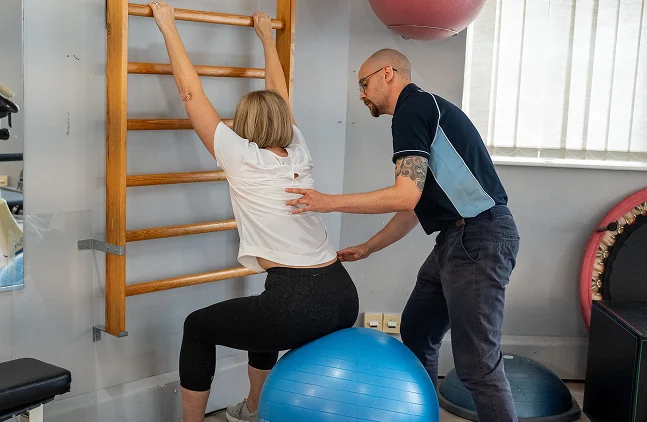
Personalised treatment

  • Check IconSchroth PSSE rehabilitation
  • Check IconPosture correction and strengthening
  • Check IconSupport long-term spinal health

Ready to move more comfortably?

Book your scoliosis physiotherapy assessment

Expert assessment • Hands-on treatment • Personalised care

What causes scoliosis?

Scoliosis can develop for different reasons, and in many cases the exact cause is unknown. Understanding the cause helps guide the most appropriate treatment and long-term management.

Common Causes

Idiopathic scoliosis

The most common type, usually developing during childhood or adolescence with no known cause.

Congenital scoliosis

Present from birth due to the way the spine develops before birth.

Neuromuscular conditions

Associated with conditions such as cerebral palsy or muscular dystrophy that affect muscle control and spinal alignment.

Degenerative scoliosis

Develops later in adulthood as the spine naturally changes with age.

Why choose physiotherapy for scoliosis?

Physiotherapy helps manage scoliosis by improving posture, reducing pain and supporting better movement.
A personalised treatment plan can help many people manage their condition without surgery.

Benefits of physiotherapy

  • Improve Posture and Spinal Alignment

  • Reduce Pain and Muscle Tension

  • Build Strength, Flexibility and Balance

  • Improve Breathing and Body Awareness

  • Help Manage Scoliosis Progression

  • Move With Greater Confidence Every Day

Why patients choose Manor Clinic?

Expert care designed around your condition, goals and lifestyle.

No two cases of scoliosis are the same. Our personalised approach focuses on helping you improve posture, move better and stay active with confidence.

Why patients trust us?
  • Check IconCertified Schroth PSSE Physiotherapist
  • Check IconPersonalised one-to-one rehabilitation
  • Check IconEvidence-based treatment approach
  • Check IconCare for children, teenagers and adults
  • Check IconFocus on long-term spinal health

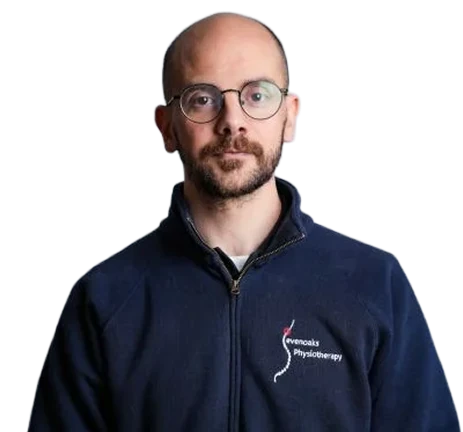
Meet Roberto

Certified PSSE-Schroth physiotherapist

Roberto specialises in assessing and treating scoliosis using internationally recognised Schroth PSSE techniques.

Roberto can help with

Check IconScoliosis assessment
Check IconPosture correction
Check IconPersonalised exercise programmes
Check IconPain management
Check IconLong-term spinal rehabilitation

His goal is to help every patient improve movement, build confidence and achieve the best possible long-term outcomes.

roberto

Schedule a Call

Request a free discovery session

Are you unsure if physiotherapy is right for you? Would you prefer to talk with a physio before making a decision? All you have to do is click the link below to fill out a simple form.

Request a Discovery Session
Request a call back

If you’re not quite ready to book an appointment yet and have some questions you'd like answered first, click the link below to complete a form to get the conversation started.

Request a Call Back

Frequently Asked Questions

Yes. Scoliosis physiotherapy can help reduce pain, improve posture, increase strength and mobility, and support better movement and function through targeted rehabilitation.

No. Your physiotherapist will assess your condition and advise whether imaging or further investigation is required as part of your scoliosis assessment.
In children and adolescents with a new scoliosis diagnose, x-ray are a really important part of the assessment to know the potential of curve progression.

Yes. Adult scoliosis can develop due to age-related changes in the spine or progress from an existing childhood condition. Physiotherapy can help manage symptoms and improve spinal function.

Yes. A personalised exercise programme, including Schroth exercises where appropriate, can improve posture, strength, flexibility and overall spinal health under the guidance of a physiotherapist.

Most people with scoliosis can successfully manage their symptoms through conservative treatment such as specialist scoliosis physiotherapy, exercise and spinal rehabilitation.
Explore more

Related Services

Learn more about scoliosis

Looking for more advice? Explore our latest articles to better understand scoliosis, recovery, and how physiotherapy can help.

I have Scoliosis, but do i need to change the way i exercise?

I have Scoliosis, but do i need to change the way i exercise?

R Roberto
date 12/10/2026

Finding out you have scoliosis can leave you with plenty of questions.Can I still go to the gym? Is running okay? Could lifting weights make my curve ...

Read Now